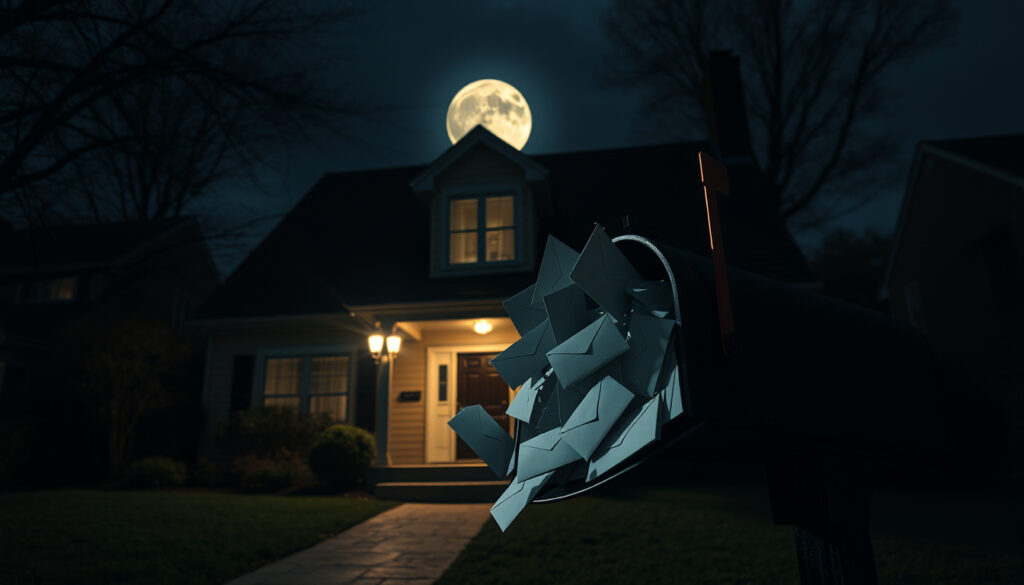
Who Is The Watcher – Netflix True Story Explained
The Netflix miniseries “The Watcher” sent shockwaves through audiences in 2022, but behind the fictional horror lies a disturbing real-life case that remains unsolved to this day. The story centers on anonymous threatening letters received by a New Jersey family who moved into their dream home, a mystery that has puzzled investigators and captivated true crime enthusiasts for nearly a decade.
The letters, signed simply “The Watcher,” began arriving shortly after the Broaddus family purchased a six-bedroom Dutch colonial home in Westfield, New Jersey, in 2014. What started as menacing correspondence escalated into threats against their three young children, ultimately forcing the family to abandon the property entirely. Despite extensive investigations by local police and private investigators, the identity of The Watcher has never been established.
Netflix’s adaptation, produced by Ryan Murphy and starring Bobby Cannavale, Naomi Watts, and Jennifer Coolidge, brought national attention to the case. However, the series takes significant liberties with the actual events, raising questions about where fact ends and fiction begins in one of New Jersey’s most unsettling unsolved mysteries.
Who Is The Watcher?
2022, 7 episodes
2018 New York Magazine article
Broaddus, Westfield NJ
Unsolved, house sold 2019
- The Watcher sent at least four typewritten letters between 2014 and 2017, each carefully constructed to suggest constant surveillance of the property and its occupants.
- The threatening correspondence referenced the Broadduses’ three young children as “young blood” or “new blood,” with disturbing passages about children screaming unheard in the basement.
- Westfield police conducted what they described as an exhaustive investigation but identified no suspects or persons of interest. The case remains officially unsolved.
- Initial suspicion fell on neighbor Michael Langford, whose family’s eccentric behavior and vantage point could explain letter details, but Langford denied involvement and no charges were filed.
- The prior owners, the Woods family, received one letter just before selling but reported no issues during 28 years of occupancy, suggesting the stalker’s focus intensified with the Broaddus family’s arrival.
- Despite the family’s attempts to sell or rent the property, multiple offers fell through until it finally sold in March 2019 at a $400,000 loss to anonymous buyers who reported no further letters by 2022.
- The Netflix adaptation invented numerous characters and plotlines, including a character based on a real estate agent whose home was searched by police—diverging significantly from documented facts.
| Fact | Real Life | Netflix Series |
|---|---|---|
| House Address | 657 Boulevard, Westfield NJ | 657 Boulevard, Westfield NJ |
| Purchase Price | $1.3–1.35 million | Not specified |
| First Letter Date | June 2014 | 2014 |
| Total Letters Received | At least 4 | Multiple |
| Family Outcome | Never moved in, sold 2019 | Fled the property |
| Investigation Result | Unsolved, no suspects | Resolution attempted |
| New Owners Status | No letters reported by 2022 | N/A (not depicted) |
Derek Broaddus spoke publicly in February 2023, describing how the experience of receiving threats regarding his then-5-year-old child left lasting trauma. He characterized the sender as exhibiting signs of mental illness combined with calculated intent.
Is The Watcher Based on a True Story?
Yes, Netflix’s “The Watcher” draws directly from real events that unfolded in Westfield, New Jersey, beginning in 2014. The miniseries, which premiered in October 2022, is adapted from a 2018 New York Magazine article by Reeves Wiedeman that chronicled the Broaddus family’s nightmare. However, viewers should understand that the adaptation takes substantial creative liberties with the actual sequence of events and invents characters who did not exist in reality.
What Is The Watcher Netflix Series About?
The series follows the Broaddus family—portrayed by Naomi Watts and Bobby Cannavale as Dean and Nora Brannock—as they move into their new home only to be targeted by anonymous, menacing correspondence. Unlike the real case, where the family never actually lived in the house due to safety concerns, the fictionalized version depicts the family attempting to maintain their daily lives while being stalked. The show introduces characters such as a police detective, a private investigator, and various neighbors who become suspects in the mystery.
The True Story vs. The Series
According to CBS News coverage, the Netflix adaptation invented multiple plotlines and characters for dramatic effect. The real Derek and María Fernanda Broaddus never lived in the house and eventually sold it at a significant loss after years of failed attempts to occupy or rent the property. The show also depicts a character based on a real estate agent whose home was searched by police—a detail that never occurred in the actual investigation.
Ryan Murphy, the show’s producer, has acknowledged the fictional nature of several elements while maintaining that the core mystery—the family’s torment by anonymous letters—accurately reflects what happened to the Broadduses. The series also incorporates themes from other real-life cases and urban legends, blending them into a narrative that serves entertainment rather than strict factual representation.
Those seeking purely factual information about the case should consult primary sources including the Wikipedia entry on The Watcher of Westfield, New Jersey and Wiedeman’s original New Yorker article, rather than relying on the Netflix dramatization as a historical account.
Where Is the Watcher House and What Happened There?
The house at the center of this mystery is located at 657 Boulevard in Westfield, New Jersey, a quiet suburban community approximately 28 miles from Manhattan. The property, a six-bedroom Dutch colonial home, was purchased by the Broaddus family for approximately $1.3 to $1.35 million in June 2014. Westfield is known for its strong public schools and family-friendly atmosphere, qualities that initially made it an attractive location for the couple and their three young children.
Why Did the Broaddus Family Move Out?
The Broaddus family never actually moved into the house. After closing on the property in June 2014, they began renovations while living elsewhere. Days after the purchase, the first letter arrived, addressed to “The New Owner” and questioning how they had ended up at the house while referencing the property’s “force.” This correspondence, combined with subsequent letters that grew increasingly threatening, made the family feel it was unsafe to occupy the residence with their children present.
The threats became particularly disturbing when they referenced the children’s safety. One letter asked, “Will the young blood play in the basement?” while another suggested children might scream unheard in the basement. These specific threats targeting minors ultimately convinced the family they could not bring their children into the home.
Attempts to Sell or Rent the Property
Following the receipt of threatening letters, the Broadduses attempted to either sell or rent the property to recover their investment. However, prospective tenants or buyers would withdraw upon learning of the letters or feeling the pressure of whatever unseen presence was watching the property. In 2017, renters briefly occupied the home but received a letter asking “You wonder who The Watcher is? Turn around idiots” and vacated after just two weeks.
The property remained listed and delisted multiple times over the following years. According to Oxygen’s coverage of the case, the house was eventually sold in March 2019 for $959,000 to anonymous buyers described as a young family. This represented a loss of approximately $400,000 from the original purchase price.
Public records indicate the house has not changed hands since the 2019 sale, with Zillow showing no subsequent transactions. Current estimates place the property value near $1.5 million. The new owners have reported receiving no letters as of 2022, raising questions about whether The Watcher’s interest was specifically targeted at the Broaddus family or the property itself.
Has The Watcher Been Caught or Identified?
As of the latest available information, The Watcher has not been caught or identified. Westfield police conducted what they described as an exhaustive investigation spanning several years, yet they identified no suspects or persons of interest. The Broadduses themselves hired private investigators in an attempt to uncover the letter writer’s identity, but these efforts also proved unsuccessful.
Who Are the Suspects in The Watcher Case?
The investigation examined several individuals, though none were formally charged or identified as The Watcher. According to The Independent’s reporting, initial suspicion fell on Michael Langford, a neighbor whose family had engaged in eccentric behavior that drew attention in the community. Langford’s property offered a vantage point that could potentially explain how the letter writer knew details about activities at the Broaddus home.
Langford denied any involvement in the letters, and no charges were ever filed against him. He was never considered a formal suspect by police, and his name appears in official records only as someone whose behavior attracted initial curiosity. The investigation also considered whether someone connected to the previous owners, the Woods family, might be responsible. The Woods received one letter just before selling the property after 23 years of residence, yet they reported no problems during their decades of ownership.
What Happened to the Broaddus Family?
The Broaddus family endured years of uncertainty, legal battles, and failed attempts to reclaim their investment in the Westfield property before eventually selling at a substantial loss. Derek Broaddus gave a candid interview to New York Magazine in 2018 that brought national attention to their ordeal, publishing the letters publicly for the first time. The family maintained that their primary motivation was protecting their children from the individual they characterized as potentially dangerous.
In 2015, the Broadduses sued the previous owners, the Woods family, alleging that they had concealed knowledge of a prior letter received after 23 years of ownership. According to CBS News, the lawsuit was eventually dismissed, providing no financial recovery or accountability for the family.
The dismissal of the lawsuit against the Woods family meant the Broadduses bore the full financial burden of the incident—including the loss on the home sale, legal fees, and costs associated with the failed attempts to rent or sell the property. No criminal charges were ever filed in connection with the letters.
Timeline of Key Events
The following timeline documents the major events in The Watcher case, compiled from multiple news sources and official records:
- June 2014: Broaddus family completes purchase of 657 Boulevard, Westfield NJ for $1.3–1.35 million. Renovation begins; first letter arrives days after closing, addressed to “The New Owner.”
- 2014–2017: At least four typewritten letters received, including threats referencing “young blood” and surveillance through windows and doors.
- 2015: Broadduses file lawsuit against previous owners (Woods) alleging concealment of prior letter knowledge; suit eventually dismissed.
- 2017: Renters occupy home briefly but receive a letter asking “You wonder who The Watcher is? Turn around idiots” and vacate after two weeks.
- 2018: Broadduses give detailed interview to New York Magazine, publishing the threatening letters and bringing national attention to the case.
- March 2019: House sold for $959,000 to anonymous buyers (reported as a young family)—a $400,000 loss from original purchase price.
- 2022: Netflix miniseries “The Watcher” premieres, dramatizing events with significant fictional liberties; new owners report no further letters.
- February 2023: Derek Broaddus speaks publicly about the case, describing the sender’s conduct as consistent with mental illness and expressing ongoing concern for his children’s safety.
What We Know and What Remains Unclear
Established Information
- The Broaddus family purchased 657 Boulevard, Westfield NJ in June 2014
- Multiple threatening letters signed “The Watcher” were received between 2014 and 2017
- Letters referenced the family’s three young children as “young blood”
- The family never moved into the house due to safety concerns
- Westfield police conducted an exhaustive investigation with no resolution
- The house was sold in March 2019 at significant loss
- New owners have reported no further letters as of 2022
Information That Remains Unclear
- The identity of The Watcher remains completely unknown
- Whether the writer is local to Westfield or somehow connected to the family
- The number of letters sent exceeds four but the exact count is uncertain
- Whether the sender has any connection to the Woods family or prior occupants
- The motivation behind specifically targeting the Broaddus family
- Whether the new owners have been contacted but chose not to report it
- If the sender has been involved in similar cases elsewhere
The Cultural Impact and Aftermath
The Watcher case transformed from a local criminal matter into a national conversation about surveillance, privacy, and the psychological toll of anonymous harassment. Westfield, a typically quiet suburb known primarily for its excellent schools and proximity to Manhattan, suddenly became synonymous with unsolved mystery. According to reporting from local news sources, residents continue to reference the house and speculate about The Watcher’s identity years after the letters stopped.
The Netflix adaptation amplified public interest exponentially. The series became one of the streaming platform’s most-watched true crime releases, introducing millions of viewers to a case that might otherwise have faded into obscurity. This attention has generated ongoing discussion about whether the increased scrutiny might eventually lead to new information or a resolution.
For the Broaddus family, the cultural phenomenon has been bittersweet. While the series brought validation to their experience, it also transformed their personal nightmare into entertainment. Derek Broaddus has spoken about the difficulty of watching their family’s trauma become dramatic spectacle while the fundamental question—who sent the letters—remains unanswered. The case stands as a reminder of how some mysteries, despite extensive investigation and public attention, can resist resolution indefinitely.
Sources and Statements
“657 Boulevard is anxious for you to move in. Will the young blood play in the basement? Or the back garden? It should sleep in the room where I watch.”
— One of the threatening letters received by the Broaddus family, published in New York Magazine, 2018
“You wonder who The Watcher is? Turn around idiots.”
— Letter sent to renters who briefly occupied the property in 2017
“Westfield police conducted an exhaustive investigation but identified no suspects or persons of interest.”
— Statement from Westfield Police Department, as reported by CBS News
Summary
The identity of The Watcher—the anonymous sender who terrorized the Broaddus family with threatening letters targeting their children—remains unknown despite years of investigation. The case, which began in June 2014 when the family purchased their dream home in Westfield, New Jersey, led to their decision never to move in, eventually forcing a sale at a $400,000 loss in 2019. While the Netflix adaptation brought dramatic attention to the events, the fictional version takes significant liberties with the actual timeline and invented characters not present in the real investigation. Authorities have confirmed no suspects or persons of interest, and the case remains officially unsolved. For those interested in exploring more unsolved true crime mysteries, our guide to List of Law and Order SVU Episodes offers additional dramatic interpretations of criminal investigations.
Frequently Asked Questions
Is The Watcher house still for sale?
No, the house at 657 Boulevard in Westfield, New Jersey was sold in March 2019 for $959,000 to anonymous buyers described as a young family. Public records indicate no subsequent sale, with current estimates placing the property value near $1.5 million.
What happened to the Broaddus family?
The Broaddus family never moved into the Westfield property due to safety concerns for their three children. They attempted to sell or rent the house for years while receiving threatening letters. The family eventually sold the property at a substantial loss and spoke publicly about their ordeal in a 2018 New York Magazine interview.
Has The Watcher been caught?
No, The Watcher has not been caught or identified. Westfield police conducted an exhaustive investigation but identified no suspects. The Broadduses also hired private investigators without success.
Who sent the letters to the Broaddus family?
The sender of the letters has never been identified. Initial suspicion fell on neighbor Michael Langford, but he denied involvement and no charges were filed. The investigation has yielded no confirmed suspects.
Is The Watcher based on a true story?
Yes, the Netflix series is based on the real Broaddus family case in Westfield, New Jersey. However, the adaptation takes significant creative liberties, inventing characters and altering the sequence of events for dramatic effect.
Where is the Watcher house located?
The house is located at 657 Boulevard in Westfield, New Jersey, a suburban community approximately 28 miles from Manhattan known for its strong schools and family-friendly environment.
Are there similar cases to The Watcher?
Cases involving anonymous threatening letters sent to homeowners are relatively rare but not unprecedented in American criminal history. For additional context on surveillance-related crimes, see our resource on Free iPhone Government Phone programs that sometimes assist victims of stalking.
More related posts
 How to Prepare for an Interview: 5 Steps & Common Questions
 Part Time Jobs Near Me: Top Part-Time Jobs in Dublin 2025
 Vanna White Net Worth: Salary, Husband, and Age in 2025
 John 1:1 Meaning: Translation and Controversy
 Joseph Quinn Movies and TV Shows: Complete Filmography
 How Long Are Dogs Pregnant – Timeline, Stages and Tips
 The Long Walk 2025 Showtimes: Theaters & Streaming
 5 cm to Inches: Conversion, Size Comparisons & Visuals
