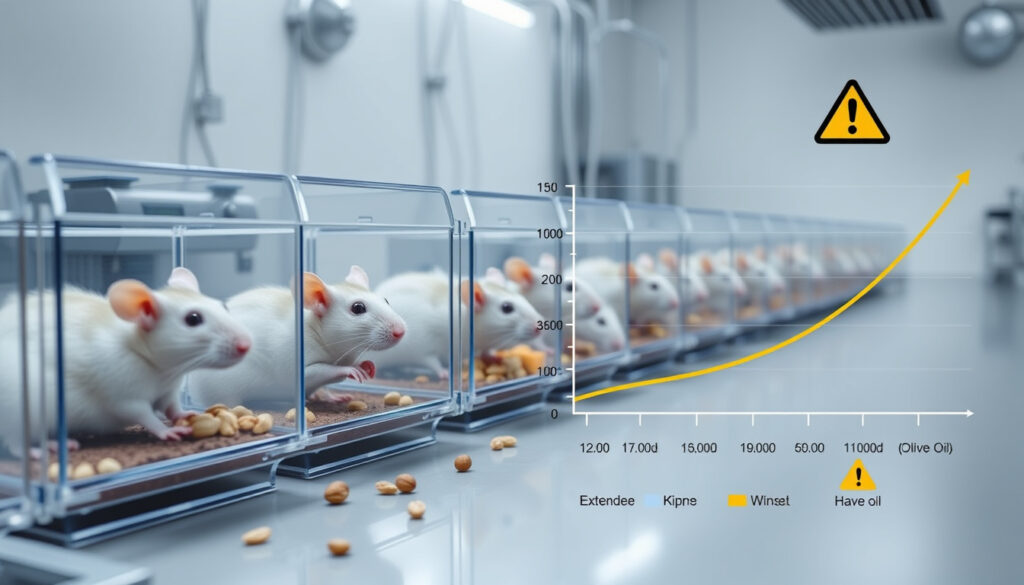
Ketogenic Diet Mouse Study – Key Findings on Lifespan and Risks
Research into ketogenic diet mouse studies has produced a complex picture of metabolic effects, ranging from extended lifespan and preserved muscle function to concerning long-term health risks. Scientists have spent years examining how mice respond to high-fat, low-carbohydrate diets across various disease models and experimental conditions. The findings reveal both promising therapeutic potential and significant cautionary flags that warrant careful interpretation.
Mouse models offer valuable insights into mammalian biology, though translating these results to human applications requires careful consideration of species differences and study limitations. The research landscape encompasses studies on lifespan extension, metabolic regulation, muscle preservation, and organ-specific responses to sustained ketosis.
What Are the Key Findings from Ketogenic Diet Mouse Studies?
The body of research reveals substantial variation in outcomes depending on how studies are designed, including the composition of the diet, feeding protocols, and the specific mouse strains examined. These variables profoundly influence the physiological responses observed.
Research findings depend heavily on whether mice received controlled caloric intake or ate freely, the fat percentage in their diet, and the age or genetic background of the animals used.
Metabolic shifts in energy utilization
Epilepsy, cancer, obesity, diabetes
Wild-type and disease-specific mice
Preclinical evidence only
- Median lifespan increased by 13.6% in one controlled study using isocaloric feeding
- Motor coordination and grip strength showed measurable improvement in aged mice
- Muscle mass preservation occurred in both healthy and diabetic mouse models
- Hyperlipidemia and fatty liver developed in mice on long-term ad libitum feeding
- Insulin sensitivity improved without changes to FGF21 hormone levels
- Heart failure prevention was documented in one disease-specific model
- Male mice showed particular vulnerability to liver dysfunction with extended feeding
| Study Year | Focus Area | Key Result | Model Type |
|---|---|---|---|
| 2017 | Lifespan & Healthspan | 13.6% lifespan increase | C57BL/6 mice, 12 months old |
| 2023 | Diabetes & Muscle | Muscle preservation, reduced inflammation | Type 2 diabetes model |
| 2021 | Cardiac Function | Heart failure prevention | Heart failure model |
| 2025 | Long-term Metabolic Risks | Fatty liver, hyperlipidemia | Ad libitum feeding protocol |
Does the Ketogenic Diet Extend Lifespan in Mice?
A landmark study published through the National Institutes of Health examined male C57BL/6 mice fed a ketogenic diet providing 89% of calories from fat, beginning when the animals reached 12 months of age. The researchers controlled food intake to match caloric consumption between the ketogenic group and control animals receiving a standard diet with 65% carbohydrates.
Results demonstrated that mice on the ketogenic regimen lived significantly longer, with median lifespan extended by 13.6% compared to controls. Tumor incidence decreased substantially, particularly for histiocytic sarcoma, suggesting potential anti-cancer properties worth further investigation.
Beyond survival statistics, aged mice consuming the ketogenic diet maintained superior physiological function. Motor coordination testing revealed marked improvements, and grip strength measurements exceeded those of both low-carbohydrate diet animals and control groups. Hindlimb muscle mass, including the gastrocnemius muscle, remained significantly greater throughout the study period.
Mechanisms Behind Lifespan Extension
Scientists identified several cellular changes associated with the observed benefits. Protein acetylation in liver tissue increased approximately fivefold after just one month on the ketogenic diet. Skeletal muscle showed enhanced mTORC1 signaling, evidenced by elevated phosphorylated 4E-BP1 levels. These molecular adaptations suggest the diet influences fundamental aging pathways.
The research team emphasized that these positive outcomes depended critically on preventing weight gain. Mice in the study began as lean adults, and the controlled feeding protocol prevented the obesity that typically accompanies high-fat feeding. This finding highlights how study conditions shape outcomes dramatically.
The lifespan benefits documented in this research apply specifically to conditions where caloric intake was controlled and mice maintained healthy weights. Free-feeding protocols produce different results.
How Does Keto Impact Disease Models in Mice?
Researchers have employed various disease models to assess whether ketogenic feeding offers therapeutic value beyond metabolic effects. These investigations provide foundational evidence for potential human applications, though direct translation requires extensive validation.
Diabetes and Metabolic Syndrome
A study published in PLOS ONE utilizing C57BL/6J mice with type 2 diabetes examined six weeks of ketogenic diet feeding. The animals showed preserved muscle mass in both gastrocnemius and quadriceps tissues, with muscle fiber size remaining comparable to healthy controls. Grip strength testing confirmed functional preservation alongside the structural findings.
Blood glucose regulation improved substantially in the diabetic mice receiving the ketogenic diet. Body weight gain decreased compared to diabetic controls maintained on standard chow. Perhaps most notably, markers of inflammation within muscle tissue declined significantly.
The inflammatory improvements centered on the NLRP3 inflammasome pathway. Scientists documented reduced expression of NLRP3 and ASC proteins, along with decreased endoplasmic reticulum stress markers including Perk, eIF2α, and Ire1. These findings suggest anti-inflammatory mechanisms may underlie some observed benefits.
Cardiovascular Applications
Investigators at the University of Iowa explored ketogenic feeding in a heart failure model. Their findings indicated that sustained ketosis prevented the development of heart failure symptoms, with cardiac function rescued to near-normal levels compared to control animals. This research suggests potential applications for metabolic approaches to cardiovascular disease.
Obesity and Weight Management
Comparisons between ketogenic diet and Western-style high-fat feeding reveal interesting contrasts. Mice consuming ketogenic diets maintained lower body weights than those on Western diets providing 60% fat content. However, body composition shifted, with increased fat mass relative to lean mass even as total weight decreased.
These findings demonstrate that the ketogenic approach offers metabolic advantages over conventional high-fat diets, but the body composition changes warrant attention. The reduction in obesity markers occurs alongside alterations in tissue distribution that may carry their own implications for long-term health.
What Metabolic and Brain Changes Occur in Keto-Fed Mice?
The metabolic remodeling induced by sustained ketosis extends to multiple organ systems. Beyond the liver and muscle tissues examined in longevity studies, researchers have documented changes in insulin signaling, pancreatic function, and systemic lipid metabolism.
Insulin Sensitivity and Liver Function
Mice on ketogenic regimens demonstrate enhanced insulin sensitivity in liver tissue. Measurements show increased phosphorylated AS-160, a key mediator of insulin’s effects on glucose metabolism. Notably, these improvements occurred without alterations to circulating FGF21 levels, a hormone often implicated in metabolic regulation.
This pattern of improved insulin responsiveness without hormonal changes suggests the ketogenic diet may replicate certain aspects of caloric restriction at a cellular level. The distinction matters because it points to mechanisms that could potentially be targeted therapeutically.
Long-Term Risks and Organ Damage
A 2025 study published in Science Advances raised significant concerns about extended ketogenic feeding in mice. Animals maintained on very high-fat, low-carbohydrate diets with free access to food developed multiple metabolic complications. Hyperlipidemia emerged as an early finding, with excess blood fats accumulating to levels associated with cardiovascular disease risk.
Fatty liver disease developed progressively, particularly in male mice. The liver changes correlated with altered gene activity in pancreatic tissue, suggesting cross-organ communication and potential feedback mechanisms driving pathology. Blood sugar and insulin regulation deteriorated within days of introducing the diet in some protocols.
Long-term ad libitum ketogenic feeding in mice produces hyperlipidemia, fatty liver disease, impaired glucose regulation, and liver dysfunction. These findings emerged despite the animals maintaining lower body weights than controls on standard high-fat diets.
A separate investigation using genetically modified mice fed a synthetic ketogenic diet providing 90% fat reported liver damage, elevated triglycerides, and shortened survival. While these results contrast with some human trial data, they underscore that the diet carries species-specific risks that warrant consideration in any translational discussion.
Neurological and Brain-Specific Effects
The research literature contains limited direct examination of brain-specific metabolic changes in mouse models. While the ketogenic diet is well-established for treating epilepsy in human patients, the preclinical mouse studies documenting this application remain sparse. Researchers note that generalized ketosis induction has been achieved, but detailed mechanistic studies of neural tissue responses lag behind clinical observations.
Similarly, Alzheimer’s disease mouse models have not yielded extensive ketogenic diet data in the reviewed literature. The absence of direct evidence does not preclude potential benefits, but it means claims about neuroprotective effects in mice rest on inference rather than documented experimental findings.
Major Research Milestones in Ketogenic Diet Mouse Studies
The scientific community’s understanding of ketogenic diet effects in rodent models has evolved substantially over the past decade. Key publications have shifted paradigms and raised new questions about mechanisms, applications, and limitations.
- 2017 — Publication of foundational lifespan study demonstrating 13.6% median lifespan increase in C57BL/6 mice with controlled feeding protocols
- 2021 — University of Iowa research confirming heart failure prevention in disease-specific mouse models
- 2023 — PLOS ONE publication on diabetes models showing muscle preservation and inflammation reduction
- 2025 — Science Advances study documenting long-term metabolic risks including fatty liver and shortened survival in ad libitum feeding protocols
Established Findings Versus Remaining Uncertainties
The current evidence base permits certain conclusions while leaving substantial questions unanswered. Distinguishing between what is established and what remains uncertain helps contextualize the research landscape for clinicians, researchers, and interested observers.
| Established Finding | Evidence Level |
|---|---|
| Lifespan extension with controlled feeding | High confidence, single major study |
| Muscle mass preservation in disease models | Moderate confidence, replicated findings |
| Hyperlipidemia with ad libitum feeding | High confidence, consistent across studies |
| Heart failure prevention potential | Moderate confidence, single center study |
| Remaining Uncertain | Replication Status |
|---|---|
| Mechanisms of lifespan extension | Not fully replicated, ongoing investigation |
| Alzheimer’s disease applications | No direct mouse data identified |
| Epilepsy seizure control in mice | Limited direct evidence in literature |
| Human translation applicability | Highly uncertain, species differences significant |
Understanding the Broader Context
Mouse studies occupy a specific niche within the research enterprise, serving as preliminary investigations that identify mechanisms and potential applications before human trials proceed. The ketogenic diet research exemplifies both the promise and limitations of this translational approach.
Dietary compositions varied substantially across studies, with fat content ranging from 70% to 90% of total calories. Some investigations employed synthetic diet formulations designed for precise nutrient control, while others used more conventional laboratory feeds. These differences complicate direct comparison and may partially explain conflicting results between laboratories.
Feeding protocols introduce another layer of complexity. Isocaloric studies, where researchers match caloric intake between groups, produce different outcomes than ad libitum experiments where animals eat freely. The controlled feeding paradigm appears to yield benefits, while unrestricted feeding more commonly produces adverse metabolic consequences. This distinction carries obvious implications for human applications, where self-directed eating patterns typically resemble ad libitum conditions. Researchers studying clinical evidence interpretation recognize similar complexities in evaluating how different methodological approaches can lead to seemingly contradictory conclusions.
Mouse strain selection influences results considerably. C57BL/6 mice, the most commonly used laboratory strain, may respond differently than disease-prone strains or genetically modified models. Age at diet initiation, duration of feeding, and whether studies examine acute or chronic effects all contribute to the heterogeneous landscape of published findings.
What Do Primary Sources Reveal?
The National Institutes of Health database contains foundational research supporting both the potential benefits and documented risks of ketogenic feeding in mice. Studies published in peer-reviewed journals including PLOS ONE and Science Advances provide the evidentiary foundation for current understanding.
The beneficial effects on lifespan and healthspan were dependent on preventing weight gain, in contrast to a prior study where the control mice had a shorter lifespan due to weight gain.
KD lowered NLRP3 inflammasome and ER stress markers in muscles, suggesting anti-inflammatory mechanisms.
University research centers including the University of Utah Health Science Center and the University of Iowa have contributed significant findings to the field. Their published work, available through institutional newsrooms and scientific journals, documents both protective effects and cautionary observations that inform current understanding.
Summary of Current Evidence
Ketogenic diet mouse studies reveal a nuanced picture that defies simple characterization as uniformly beneficial or harmful. The evidence supports potential lifespan extension under specific controlled conditions, with documented improvements in muscle function, motor coordination, and metabolic health. Simultaneously, long-term ad libitum feeding produces measurable harms including hyperlipidemia, fatty liver disease, and impaired glucose regulation.
The divergence between these outcomes underscores how profoundly study design influences apparent diet effects. Researchers recognize similar complexities when evaluating clinical evidence across different fields, where methodological differences often explain seemingly contradictory findings.
For anyone evaluating this research, the critical distinction lies in understanding that controlled feeding protocols in laboratory settings differ fundamentally from how humans typically consume diets. The promise shown in mice may not translate directly to human applications, particularly given species differences in metabolism, lifespan, and dietary patterns. Ongoing research continues to clarify which mechanisms identified in mice might eventually prove relevant to human health.
Frequently Asked Questions
Is the ketogenic diet safe for mice long term?
Safety depends entirely on feeding protocols. Controlled caloric intake produces benefits, while free-feeding leads to hyperlipidemia, fatty liver, and metabolic dysfunction within weeks to months.
What mouse studies support the ketogenic diet?
Multiple studies support potential benefits, including lifespan extension (13.6% increase), muscle preservation in diabetes models, and heart failure prevention in disease-specific investigations.
Does keto extend lifespan in mice?
Under controlled isocaloric feeding conditions starting at 12 months of age, median lifespan increased by 13.6% in male C57BL/6 mice compared to carbohydrate-fed controls.
Can mice develop fatty liver on ketogenic diets?
Yes, long-term ad libitum ketogenic feeding causes fatty liver disease in mice, particularly in male animals, despite lower body weights compared to standard high-fat diet controls.
Are mouse study results applicable to humans?
Human translation remains highly uncertain. Mice and humans differ substantially in metabolism, and laboratory diets often use synthetic formulations not comparable to human food choices.
What metabolic changes occur in keto-fed mice?
Mice show improved insulin sensitivity, enhanced protein acetylation, reduced inflammation markers, and preserved muscle mass under appropriate study conditions.
Does the ketogenic diet help mice with diabetes?
Studies in type 2 diabetes mouse models show preserved muscle mass, improved grip strength, better glucose control, and reduced inflammatory markers after six weeks of feeding.
More related posts
 May the 4th Be With You – Origin, History and Celebrations
 Best Things to Do in Denver: Top Attractions & Itinerary
 Elf (Film): Where to Stream in 2025, Kids Guide & Cast
 When Does Winter End in Ireland? Key Dates & Calendars
 CPR Classes Near Me: Costs, Free Options & Certification
 CeraVe Foaming Cleanser Review: Benefits, Acne & More
 1-800 Amazon Customer Service Phone Number USA: The Real Number
 Trump Obama Monkey Video: What Happened and Verified Details
